






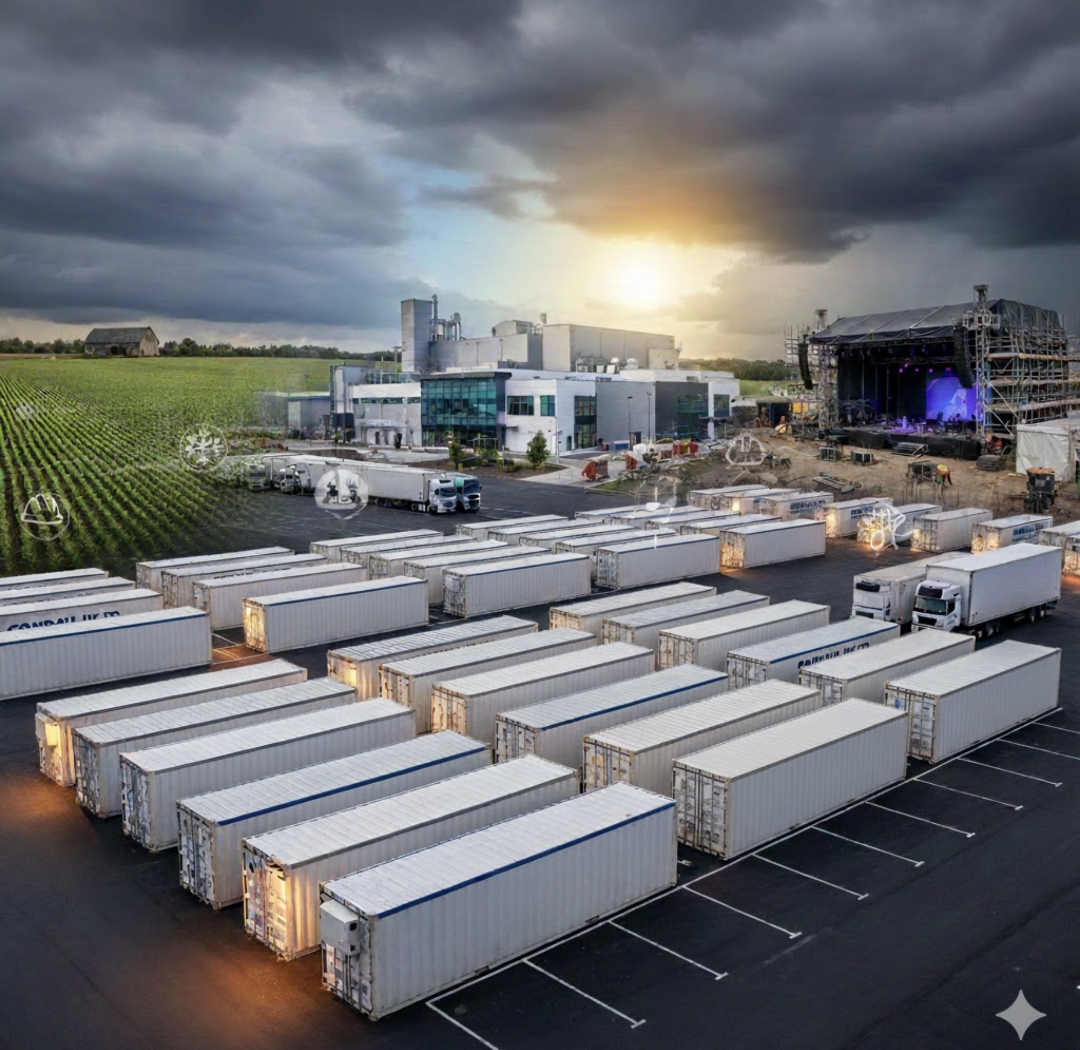
In today’s complex supply chains and increasingly regulated industries, temperature controlled storage units are no longer a seasonal or optional solution. They are a critical infrastructure requirement for businesses that store sensitive, high-value, or regulated goods.
From food and pharmaceuticals to construction and events, many industries depend on climate controlled storage to protect assets, maintain compliance, and ensure operational continuity throughout the year – especially in the UK, where fluctuating weather conditions can cause serious damage without proper control.
This article explores the top industries that rely on temperature controlled storage units all year round, why these solutions are essential, and how climate controlled storage units support safety, efficiency, and long-term cost savings.
What Is Temperature Controlled Storage?
Temperature controlled storage refers to storage environments where internal temperatures are actively managed within a defined range. Unlike standard containers or warehouses, these units protect goods from heat, cold, humidity, and rapid temperature fluctuations.
A temperature controlled storage unit may include:
- Refrigerated systems
- Heated environments
- Humidity regulation
- Insulated, sealed structures
- Remote temperature monitoring
Climate controlled storage goes one step further by managing both temperature and environmental conditions, making it ideal for highly sensitive materials.
1. Food & Beverage Industry
The food and beverage sector is one of the largest users of temperature controlled storage units in the UK.
Why It’s Essential
- Prevents spoilage and contamination
- Maintains food safety compliance
- Extends shelf life
- Ensures consistency in quality
Common Uses
- Chilled and frozen food storage
- Ingredient storage for manufacturers
- Catering and event food logistics
- Seasonal stock overflow
Food businesses rely on climate controlled storage units year-round to comply with Food Standards Agency (FSA) regulations and avoid costly waste.
2. Pharmaceuticals & Healthcare
Few industries face stricter regulations than pharmaceuticals and healthcare.
Why Temperature Control Matters
- Medicines and vaccines require strict temperature ranges
- Regulatory compliance (MHRA, GDP guidelines)
- Product integrity and patient safety
- Audit-ready storage conditions
Typical Applications
- Vaccine storage
- Medical supplies
- Clinical trial materials
- Emergency stockpiles
For this sector, temperature controlled storage is not just best practice – it is mandatory.
3. Construction & Engineering
Construction may not be the first industry people associate with climate control, but it relies heavily on it.
Materials That Require Control
- Adhesives and sealants
- Paints and coatings
- Chemicals and resins
- Electrical components
Cold winters and hot summers can ruin materials, delay projects, and increase costs. Temperature controlled storage units ensure materials remain usable and compliant all year.
4. Events, Exhibitions & Temporary Installations
Events operate on tight schedules with no margin for error.
Why Climate Controlled Storage Is Critical
- Protects equipment and materials between events
- Stores food, beverages, and décor
- Prevents moisture and heat damage
- Enables rapid deployment
Event organisers often use climate controlled storage units as temporary but highly reliable hubs for logistics and preparation.
5. Agriculture & Farming
Modern agriculture increasingly depends on temperature controlled storage to reduce waste and improve profitability.
Key Uses
- Seed storage
- Crop preservation
- Fertiliser and chemical storage
- Equipment protection
Controlled environments help farmers manage seasonal fluctuations and maintain quality throughout the year.
6. Logistics & Transportation
The logistics sector depends on continuity and reliability.
How Temperature Controlled Storage Units Help
- Act as buffer storage in supply chains
- Enable cold-chain continuity
- Reduce delivery delays
- Protect goods during peak demand
Warehousing and transport providers rely on climate controlled storage to support food, pharmaceutical, and retail clients.
7. Retail & E-Commerce
Retailers – especially those dealing with perishables or sensitive goods – depend on controlled environments.
Common Applications
- Seasonal stock storage
- Overflow warehousing
- Product protection during peak sales
- Returns management
With growing e-commerce demand, temperature controlled storage units offer scalable, flexible solutions.
8. Energy, Utilities & Industrial Sectors
Energy and industrial sectors often store high-risk or sensitive materials.
Why Control Is Needed
- Prevent degradation of components
- Ensure safety compliance
- Protect electrical systems
- Reduce fire and explosion risk
In these environments, climate controlled storage units are part of a wider risk-management strategy.
Why UK Businesses Need Climate Controlled Storage All Year
The UK climate presents unique challenges:
- Cold winters
- Humid conditions
- Heatwaves in summer
- Rapid temperature changes
These conditions make temperature controlled storage essential year-round – not just during extreme seasons.
Benefits of Temperature Controlled Storage Units
- ✅ Protects product integrity
- ✅ Ensures regulatory compliance
- ✅ Reduces waste and damage
- ✅ Improves operational efficiency
- ✅ Scalable and flexible solutions
- ✅ Suitable for short- or long-term use
Choosing the Right Temperature Controlled Storage Solution
When selecting a temperature controlled storage unit, consider:
- Required temperature range
- Humidity control
- Security features
- Monitoring systems
- Mobility vs fixed placement
- Compliance requirements
At Conrail UK LTD, solutions are tailored to industry-specific needs, ensuring reliability, safety, and performance.
Frequently Asked Questions
What is the difference between climate controlled storage and temperature controlled storage?
Temperature controlled storage regulates temperature only, while climate controlled storage manages both temperature and humidity, offering enhanced protection for sensitive goods.
Which industries need temperature controlled storage units?
Industries include food and beverage, pharmaceuticals, healthcare, construction, agriculture, events, logistics, retail, and energy sectors.
Are temperature controlled storage units suitable for year-round use?
Yes. They are designed to operate reliably in all seasons, making them ideal for continuous, year-round storage.
Do temperature controlled storage units meet UK regulations?
When properly specified and maintained, they meet UK regulatory requirements for food safety, pharmaceuticals, and industrial compliance.
Can climate controlled storage units be customised?
Yes. Units can be customised for temperature range, size, monitoring, security, and mobility depending on operational needs.
Final Thoughts
Across industries, temperature controlled storage units have become a vital part of modern operations. Whether protecting food, medicines, construction materials, or critical equipment, climate controlled storage ensures safety, compliance, and efficiency – every day of the year.
For UK businesses looking to protect assets and maintain performance, investing in the right temperature controlled storage solution is not just smart – it’s essential.

