






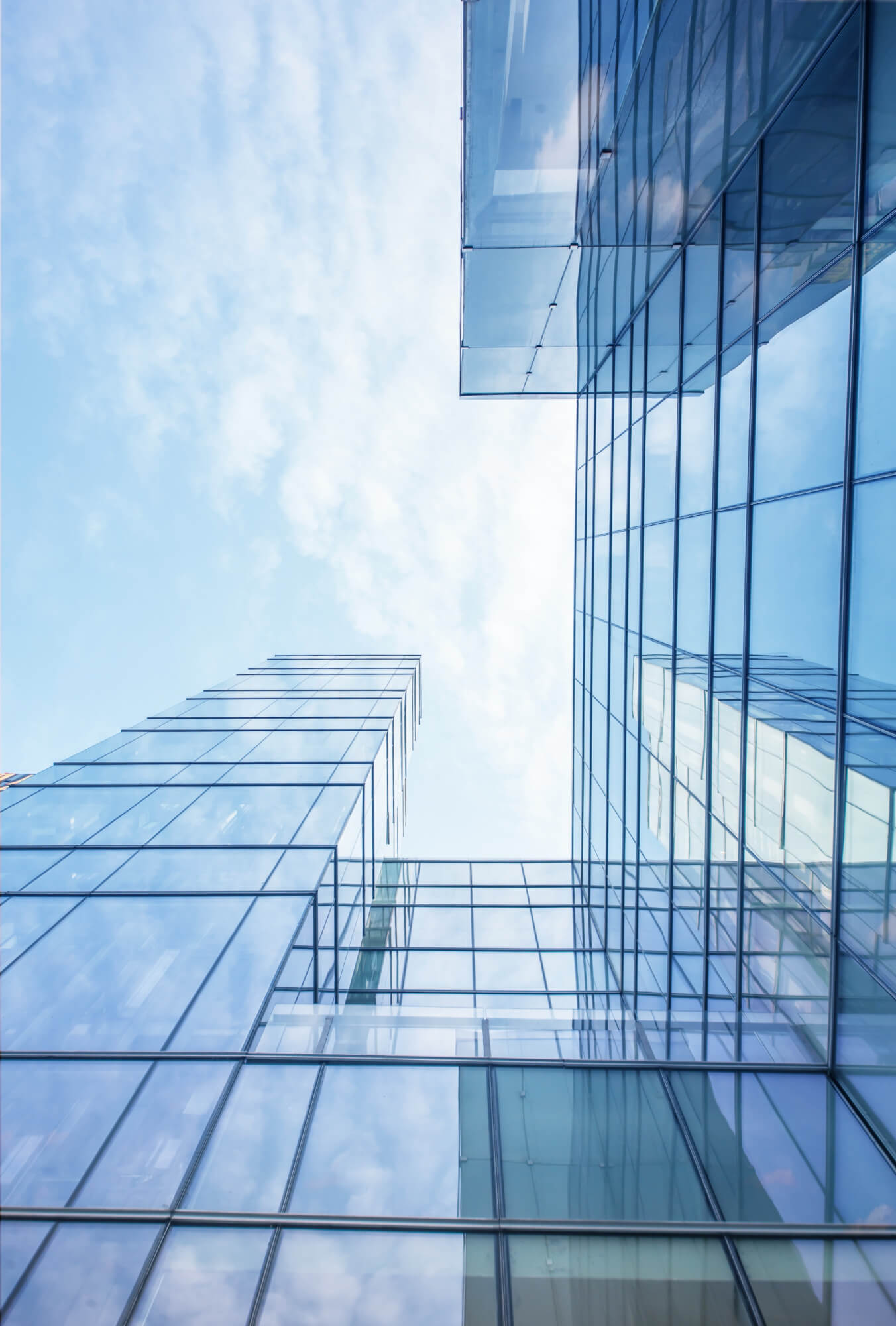
Glass is no longer just a simple window pane. It has evolved into a dynamic and essential element of modern construction. Today’s architects and designers use it to create buildings that are not only beautiful but also smart, sustainable, and safe. An expert architectural glass manufacturer can now produce glass with incredible properties, transforming our relationship with the spaces we inhabit. This article explores the key architectural glass trends that are shaping modern design and redefining what is possible in building construction.
The Rise of Smart Glass Technology
Smart glass, or switchable glass, represents a major leap forward in building materials. This technology allows glass to change its light transmission properties when voltage, light, or heat is applied. It offers unparalleled control over privacy and light.
Privacy on Demand
One of the most popular applications of smart glass is for instant privacy. With the flick of a switch, transparent glass panels can turn opaque. This feature is invaluable in corporate boardrooms, healthcare facilities, and modern homes. It eliminates the need for blinds or curtains, creating a clean, minimalist aesthetic. This functionality gives architects the freedom to design open, light-filled spaces without sacrificing privacy.
Dynamic Shading and Glare Control
Smart glass also offers dynamic shading. It can automatically adjust its tint in response to sunlight, reducing glare and heat gain. This creates a more comfortable indoor environment for occupants. It also protects furniture and artwork from sun damage. By controlling the amount of light entering a building, smart glass helps maintain consistent and pleasant interior lighting throughout the day.
A Focus on Energy Efficiency
Sustainability is a primary concern in modern architecture. Glass plays a crucial role in a building’s energy performance. Advances in glass technology are helping create more energy-efficient buildings, reducing their environmental impact and operational costs.
Low-E Coatings for Superior Insulation
Low-emissivity (Low-E) coatings are a game-changer for energy efficiency. These microscopically thin, transparent coatings are applied to the glass surface to reflect heat. In winter, they reflect heat back into the building, keeping it warm. In summer, they reflect the sun’s heat away from the building, keeping it cool. This significantly reduces the need for heating and air conditioning, leading to lower energy bills.
Insulated Glazing Units (IGUs)
Insulated glazing units, or double and triple glazing, are now standard in many new constructions. These units consist of two or three panes of glass separated by a vacuum or a gas-filled space. This design drastically reduces heat transfer. When combined with Low-E coatings, IGUs provide exceptional thermal insulation. They are a cornerstone of creating buildings that meet stringent energy efficiency standards.
The Role of Solar Control Glass
Solar control glass is designed to minimize the amount of solar heat that passes through a window. This is especially important for large, glass-clad buildings in sunny climates. By reducing solar heat gain, this type of glass lessens the load on cooling systems. This not only saves energy but also enhances occupant comfort by preventing overheating in spaces with extensive glazing.
Aesthetic Innovations in Glass Design
Beyond functionality, glass continues to be a medium for artistic expression in architecture. New manufacturing techniques are pushing the boundaries of what can be achieved with glass, allowing for more creative and visually stunning designs.
The Allure of Curved and Bent Glass
Curved glass is a prominent trend in contemporary architecture. It softens the hard lines of buildings, creating fluid and organic forms. Advances in glass bending technology allow for the creation of complex curves and unique shapes. This gives architects the ability to design truly iconic and memorable structures. From winding facades to spiral staircases, bent glass adds a sense of movement and elegance.
Decorative Glass and Digital Printing
Digital printing on glass has opened up a world of design possibilities. Architects can now print intricate patterns, high-resolution images, and vibrant colors directly onto glass panels. This allows for customized facades, decorative interior partitions, and artistic installations. Decorative glass can be used to add personality to a space, reinforce a brand’s identity, or create a specific mood.
Exploring Textured and Patterned Glass
Textured and patterned glass is another way designers are adding visual interest to buildings. These types of glass can diffuse light, provide a degree of privacy, and create beautiful light and shadow effects. From subtle ribbed patterns to bold geometric designs, textured glass adds a tactile and dimensional quality to surfaces. It’s a versatile material used for both interior and exterior applications.
Enhancing Safety and Security
While aesthetics and efficiency are important, safety remains a top priority. Modern architectural glass is engineered to be stronger and safer than ever before, offering protection against a range of threats.
Laminated Safety Glass
Laminated glass is made by bonding two or more layers of glass together with a plastic interlayer, typically polyvinyl butyral (PVB). If the glass breaks, the fragments stick to the interlayer rather than shattering into dangerous shards. This makes it an ideal material for overhead glazing, balustrades, and windows in high-traffic areas.
Tempered Glass for Strength
Tempered, or toughened, glass is another type of safety glass. It is processed by controlled thermal or chemical treatments to increase its strength. Tempered glass is about four times stronger than regular annealed glass. When it does break, it shatters into small, blunt-edged pieces, reducing the risk of injury. It is commonly used for doors, shower enclosures, and building facades.
Conclusion: The Transparent Future of Architecture
The trends in architectural glass are transforming the way we design and experience buildings. Smart glass offers unprecedented control, while energy-efficient technologies are helping us build a more sustainable future. At the same time, aesthetic innovations are allowing for greater creativity and artistic expression. Glass is no longer a passive component of a building; it is an active, integral element that enhances performance, beauty, and safety. As technology continues to advance, we can expect glass to play an even more significant role in the architecture of tomorrow.

