







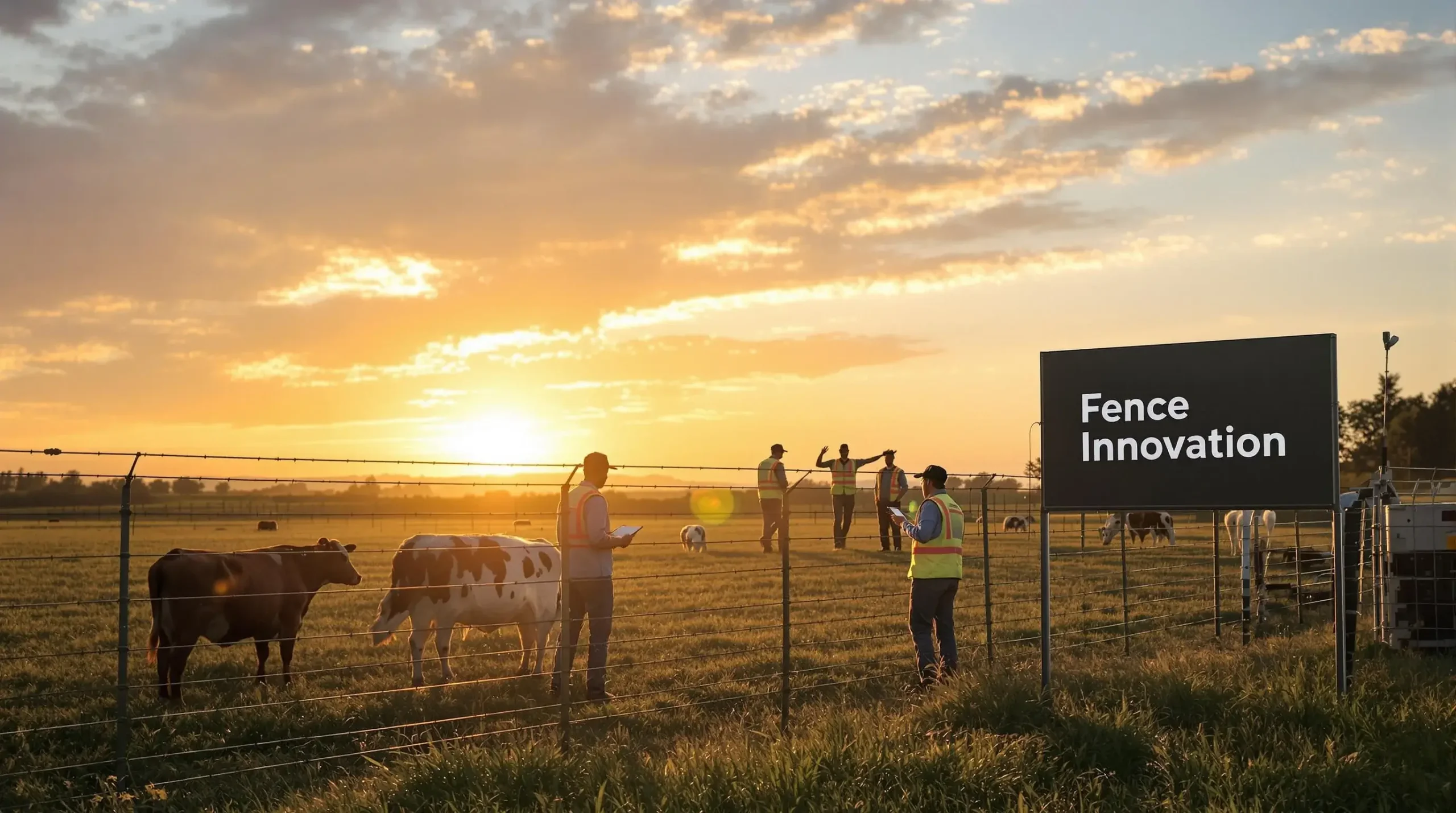
Farm operations grow more efficient when boundaries are designed with care and maintained with purpose. A well-built fence supports daily work, protects valuable areas, and helps control animal movement without constant supervision. When strong materials and suitable layouts come together, managers can reduce losses and simplify routine tasks across wide spaces. Clear planning brings structure to both livestock zones and crop areas, improving long-term performance. With thoughtful choices, fences become vital tools that guide safer and more productive farm activity.
Productivity Gains
Higher productivity begins with fencing that supports reliable movement control and strong protection. Many farms perform better when they use sturdy systems that handle constant pressure from livestock and outdoor elements. Selecting well-designed agricultural fencing helps reduce escapes, guide herd behavior, and prevent crop interference. Over time, this stability supports smoother routines, improves pasture use, and strengthens farm output.
Material Options
Different fencing materials provide different strengths, making it important to choose ones that match each area of the farm. Below is a short overview describing how various materials support function and durability.
• High tensile wire offers steady resistance and handles large pasture stress with ease.
• Welded mesh suits areas where smaller animals require firm containment without gaps.
• Electric rope systems provide adjustable control and gentle shock deterrence for livestock.
• Panel based kits allow quick layout changes for adapting to seasonal farm activities.
Design Principles
Good design influences how well fences perform through daily use. Strong post placement and practical routing support flow around gates, barns, and grazing areas. Panels or wires must be spaced in a way that keeps animals safe while still allowing easy access for workers. Materials should match soil type, expected pressure, and weather conditions so the fence holds shape longer. When design and purpose align, fences contribute directly to better farm productivity.
Installation Advice
Correct installation strengthens durability and reduces future repairs. The steps below help guide stable setup and steady performance over long periods.
• Posts placed deep into firm soil resist shifting during high pressure situations.
• Strong coatings or treated supports reduce decay and preserve base strength in damp areas.
• Well braced corners keep tension uniform and prevent stretching across wide spans.
• Even tightening of wires ensures a balanced surface without sagging or weak spots.
Animal Management
Advanced fencing also influences how herds move, graze, and interact with different parts of the farm. Dividing fields into controlled sections helps rest soil, reduce parasite buildup, and maintain healthier pasture growth. Movable fences create flexible zones that guide animals toward fresh grass or away from young crops. Clear boundaries also reduce stress among livestock by creating predictable paths. With better control, feeding schedules and herd organization become easier to manage each day.
Technology Integration
Modern farms see strong benefits when fences work alongside simple monitoring tools. The short overview below highlights systems that help reduce labor and improve safety.
• Solar energizers maintain power for electric fences without relying on wired sources.
• Sensor alerts notify managers when tension drops or a section needs attention quickly.
• Gate monitors track openings which helps reduce unauthorized entry and livestock escapes.
• Remote viewing cameras support quick checks without needing long walks across fields.
Crop Protection
Protecting planted areas becomes easier with fencing that blocks grazing animals and reduces accidental damage. Crop zones benefit from barriers that match the height and spacing needed to prevent entry by larger or smaller wildlife. Sensitive areas holding young plants remain safer under steady fencing support. By limiting trampling and browsing, healthy growth continues without repeated setbacks. The right setup strengthens harvest consistency and lowers replanting needs.
Economic Benefits
Longer lasting fencing systems reduce repair expenses and prevent costly disruptions. Reliable boundaries help avoid emergency labor for escapes or crop intrusions. Stronger pasture separation improves grazing control which can lower feed expenses over time. When fewer materials need replacement, farm budgets remain steadier across seasons. Quality investments with supportive warranties provide predictable value and reduce unexpected strain on resources.
Stronger Boundaries
Well built perimeter systems guide animal behavior, protect growing areas, and streamline everyday routines. When sturdy materials, proper installation, and practical layout work together, farm operations become more controlled and productive. Integrating dependable agricultural fencing with seasonal planning and steady checks reduces risk, prevents loss, and supports healthier soil and livestock. This balanced approach creates reliable boundaries that help farms function smoothly and progress with fewer challenges.

