







Professional goals for nurses go far beyond a simple checklist. They act as guiding principles that help shape a meaningful and fulfilling career. By reflecting on your strengths, values, and personal identity, you can design a nursing journey that feels authentic and rewarding.
Clear goals bring focus to your ambitions and define what true success looks like. They provide direction in a complex healthcare environment and ensure that every step you take supports both professional growth and personal well-being.
In this article, you’ll learn how to shape a nursing career that reflects your values, interests, and aspirations. Through self-reflection and flexible career planning, you can take control of your professional future and create a path that truly works for you.
Start With Self-Reflection
Reflection builds the foundation for a meaningful nursing career. Your professional goals as a nurse start with understanding yourself and your current position. A good look at yourself helps you assess experiences and promote continuous improvement.
Identify your core values and interests
Let’s take a closer look at what matters most to you. Knowing how to look at yourself objectively helps you identify information vital to your well-being. Your reflection reveals patterns in your practice that make sense of complex situations through esthetic, personal, and ethical ways of knowing.
Your core nursing values should line up with your personal values. The National League for Nursing states these fundamental values:
- Caring: Promoting health, healing, and hope in response to the human condition
- Integrity: Respecting the dignity of every person without conditions
- Diversity & Inclusion: Affirming uniqueness and differences among people, ideas and values
- Excellence: Creating transformative strategies with ingenuity
Assess your current skills and gaps
Your current competencies need thorough assessment. Getting a full picture of your abilities is a vital part of professional development that shows heightened self-awareness. You should recognize both achievements and areas needing improvement—this recognition creates authentic growth.
Research shows nurses with 5-10 years of experience often hit a plateau in competence that indicates no link between years of experience and skill level. Studies also suggest people with lower clinical judgment skills might not realize their limitations.
A yearly self-learning needs assessment proves valuable. Make a list of topics vital to your profession and reflect using the KWL technique: what you KNOW about each topic, what you WANT to know, and plan to get that information or skill, then assess what you LEARNED.
Set Clear and Flexible Nursing Goals
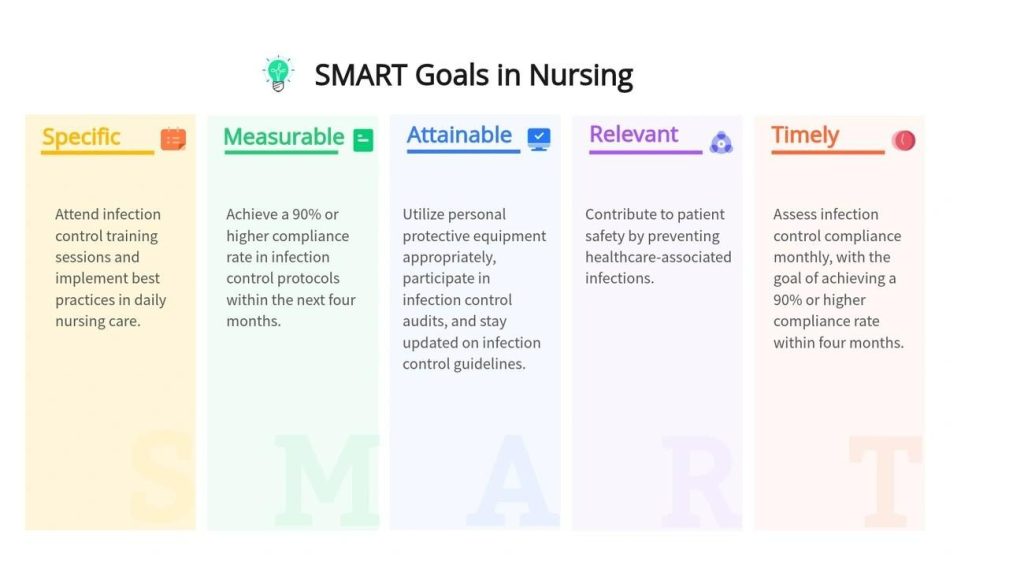
Nurses succeed when they combine structure with adaptability. Clear objectives provide direction, while flexibility keeps your career sustainable as healthcare continues to evolve.
Here are key steps to help you create goals that support lasting success:
- Use the SMART framework: Set goals that are Specific, Measurable, Achievable, Realistic, and Time-bound. Replace broad ambitions like “I want to improve my skills” with precise goals such as “I will earn my Pediatric Advanced Life Support certification by July 2025.” This structure gives clarity and measurable progress.
- Balance short-term and long-term objectives: Focus on short-term actions such as completing certifications or improving communication skills while keeping long-term aims like specialization, leadership, or advanced degrees in sight. Breaking large goals into smaller steps keeps them achievable.
- Align goals with your values: Choose objectives that reflect both your personal beliefs and professional vision. When your goals match what truly matters to you, motivation and satisfaction grow naturally. Regular progress reviews help keep your plan on track.
- Stay open to new opportunities: The healthcare field changes quickly, so be ready to adjust your goals when new options arise. Trying different roles, learning emerging technologies, or exploring new healthcare facilities can lead to unexpected growth and better work-life balance.
Explore Different Work Environments
Nursing careers extend far beyond hospitals. Exploring various healthcare facilities through platforms like Nursa can help you discover roles that better match your values, lifestyle, and goals.
Hospitals offer specialized experience in areas such as emergency or intensive care, but they often come with demanding 12-hour shifts and weekend duties. Outpatient clinics provide steadier hours, while physician offices offer predictable schedules and lasting patient relationships.
Home healthcare and school nursing add flexibility and meaning, giving you the chance to connect with patients or students on a more personal level. Each environment offers unique benefits, so consider what matters most — work-life balance, career growth, or community connection.
Build a Career Path That Fits You
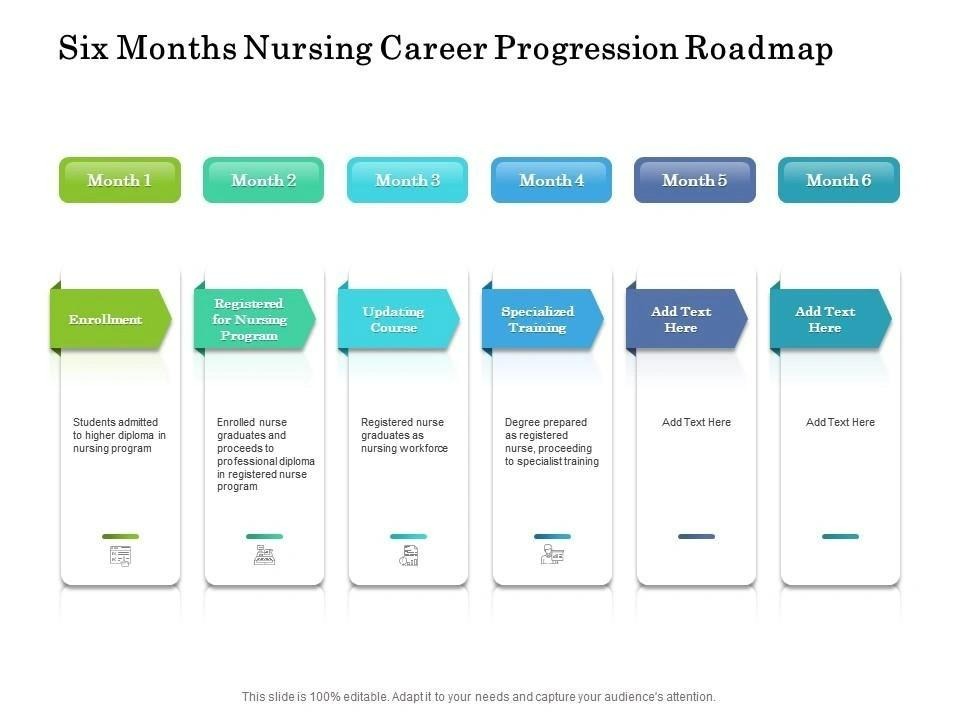
Building a nursing career is like creating your own fingerprint — no two paths are the same. Nursing offers the flexibility to design a career that aligns with your strengths, interests, and values. With clear planning and an open mindset, you can create a professional journey that evolves alongside your goals.
Here are key steps to guide you:
- Explore diverse roles and settings: Nursing opens doors to many specialties beyond hospitals, including pediatrics, oncology, critical care, and labor and delivery. School nursing provides consistent hours with summers off, while home care nursing offers deeper connections with patients.
- Consider non-traditional and emerging paths: The possibilities for nurses now extend far beyond bedside care. Informatics specialists manage clinical data, genetics nurses help interpret test results, and telehealth nursing allows remote patient care. You can also apply your expertise in areas like health coaching, legal consulting, or medical writing.
- Create a roadmap with milestones: Turn your larger goals into manageable steps. Research the qualifications needed for your desired roles, set timelines for certifications or additional education, and check in regularly on your progress. Adjust your plan as your experience deepens and the healthcare field continues to evolve.
- Stay adaptable and curious: Healthcare changes quickly, so flexibility is key. Be open to learning new technologies, gaining different experiences, and revising your goals as opportunities arise.
Stay Adaptable and Keep Growing
A sustainable nursing career’s life-blood is continuous professional development. Healthcare keeps evolving, and a nurse’s professional goals need to stay fluid and progressive.
Commit to lifelong learning
Professional development goes beyond simple licensure requirements and gives you opportunities to grow in a field with endless possibilities. Nurses must complete 20 contact hours of continuing nursing education within each two-year licensing period in most states.
E-learning provides flexible and economical options without the need to relocate. Eight out of ten nurses want additional education in their specialty. You can boost your intellectual self-care by reading nursing journals, attending conferences, or pursuing certifications.
Prioritize self-care and work-life balance
Self-care is the “daily process of being aware of and attending to one’s simple physiological and emotional needs”. Healthcare professionals must address their mental health through prevention and health-promotion mechanisms.
Effective self-care strategies include:
- Starting or ending your day with gratitude through mindfulness or journaling
- Choosing nutritious foods that stimulate your body
- Moving your body daily to curb stress
- Staying connected with your support system regularly
Your Path, Your Purpose
Designing your nursing career on your own terms is an act of self-discovery and dedication. Every step you take toward understanding your goals, values, and strengths adds depth to your professional journey. The choices you make today shape not only your career but also the kind of nurse and person you aspire to be.
Nursing is a lifelong commitment to learning, compassion, and growth. Building a career that reflects your true self requires patience, courage, and continuous reflection. As the world of healthcare evolves, staying curious and adaptable ensures that your work remains meaningful and aligned with your purpose.
Your career is more than a series of roles or achievements. It is a personal story of care, resilience, and transformation—one that continues to unfold with every patient you meet and every lesson you learn.

