





Commercial diving is a specialized and physically demanding career that offers opportunities in industries such as underwater construction, oil and gas, marine salvage, and even scientific research. Many aspiring divers wonder: how long does it take to complete commercial diving training? The answer depends on the type of program, the level of certification, and the specific requirements of the industry sector you aim to work in.
Understanding Commercial Diving Training
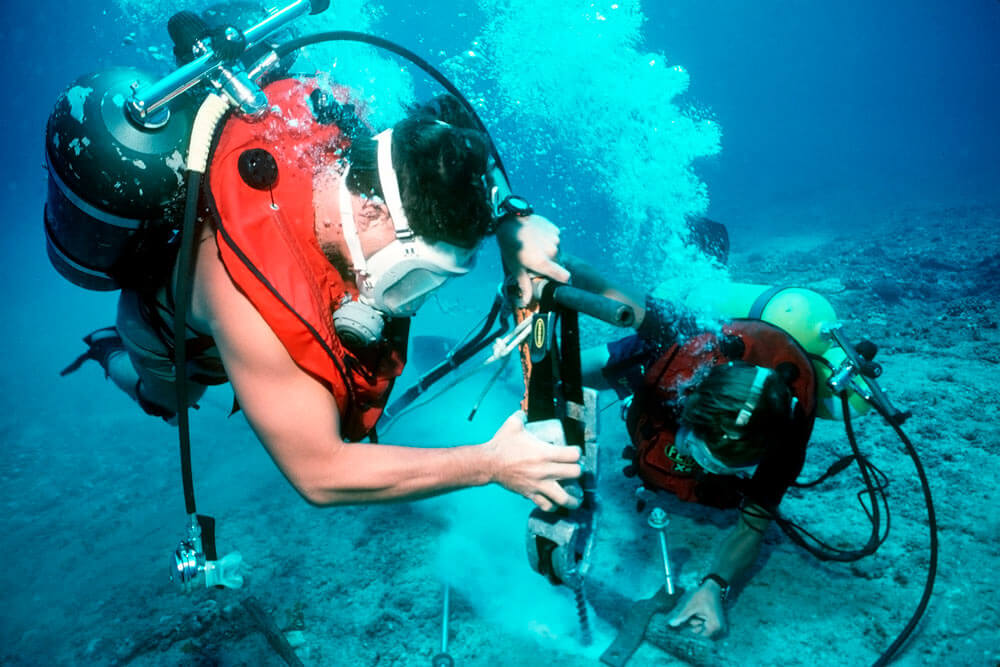
Commercial diving training is different from recreational scuba diving certification. It involves extensive technical education, safety training, and hands-on experience with commercial diving equipment. The coursework covers areas such as underwater welding, salvage operations, hyperbaric chamber use, rigging, and hazardous environment navigation.
To become a professional commercial diver, students must attend accredited commercial diving schools that meet industry standards set by organizations such as the Association of Diving Contractors International (ADCI) and the Diver Certification Board of Canada (DCBC). These schools offer structured programs that range in length depending on the level of certification and specialization.
The Duration of Commercial Diving Training
1. Entry-Level Commercial Diving Certification (4 to 7 months)
For most aspiring commercial divers, entry-level certification is the first step. Basic programs typically last between 16 and 28 weeks (4 to 7 months) and include:
- Diving physics and physiology
- Equipment use and maintenance
- Underwater welding and cutting
- Rigging and lifting techniques
- Salvage and offshore operations
- Hyperbaric chamber training
These programs provide students with the necessary knowledge to perform basic underwater tasks in industries such as construction, salvage, and maintenance.
2. Advanced and Specialized Training (Additional 2 to 6 months)
Many divers opt to pursue advanced certifications to expand their employment opportunities. Specialized training programs can last anywhere from 2 to 6 months, depending on the focus. Some common specializations include:
- Saturation diving: Required for deep-sea operations and offshore work.
- Underwater welding and cutting: Essential for those in construction and ship repair.
- Hazmat diving: Involves working in contaminated waters.
- Inspection and NDT (Non-Destructive Testing): Used in infrastructure maintenance and ship hull inspections.
Each specialization requires additional coursework, hands-on training, and industry-specific qualifications, adding to the total time spent in commercial diving schools.
3. Apprenticeship and On-the-Job Training (6 months to 2 years)
After completing formal training, many divers undergo an apprenticeship phase. This period varies based on employer requirements and job complexity. Entry-level divers often work under supervision for 6 months to 2 years, gaining real-world experience before taking on advanced responsibilities.
Some employers require divers to complete a minimum number of logged dive hours before they are considered fully qualified for certain tasks. The apprenticeship phase is crucial for building practical skills and professional credibility in the industry.
Factors That Affect Training Duration
Several factors influence how long it takes to become a fully qualified commercial diver:
- Type of Certification
- Basic commercial diving certification can be completed in as little as 4 months.
- Advanced and specialized training can extend the process by several months.
- Training Schedule
- Full-time programs move faster than part-time or weekend courses.
- Some schools offer intensive programs that condense training into shorter periods.
- Physical and Medical Requirements
- Commercial diving requires excellent physical fitness and medical clearance.
- Failing medical evaluations can delay or prevent certification.
- Industry Requirements
- Some industries, such as offshore oil and gas, require additional qualifications.
- Certifications such as IMCA (International Marine Contractors Association) may be necessary for international work.
Choosing the Right Commercial Diving School
Not all commercial diving schools are created equal. When selecting a program, consider the following:
- Accreditation: Ensure the school is recognized by industry bodies like ADCI, DCBC, or IMCA.
- Job Placement Assistance: Some schools offer career services and industry connections.
- Facilities and Equipment: Hands-on training is essential, so look for schools with high-quality diving facilities.
- Specialization Options: If you have a specific career path in mind, choose a school that offers relevant training modules.
Career Outlook and Advancement Opportunities
After completing training, commercial divers can work in a variety of industries, including:
- Offshore oil and gas
- Marine construction
- Salvage and ship repair
- Scientific and archaeological diving
- Nuclear power plant maintenance
With experience, divers can advance to roles such as dive supervisors, project managers, or saturation divers. Continuing education and advanced certifications can lead to higher-paying opportunities.
Conclusion
The time required to complete commercial diving training varies based on the program, specialization, and industry requirements. Most entry-level divers complete their training in 4 to 7 months, while additional specializations and apprenticeships can extend the process to 1 to 2 years. Choosing the right commercial diving school is crucial for obtaining proper certification and starting a successful career in this challenging and rewarding field.If you’re ready to dive into a career in commercial diving, research accredited commercial diving schools, explore training options, and start your journey toward an exciting underwater profession today!

